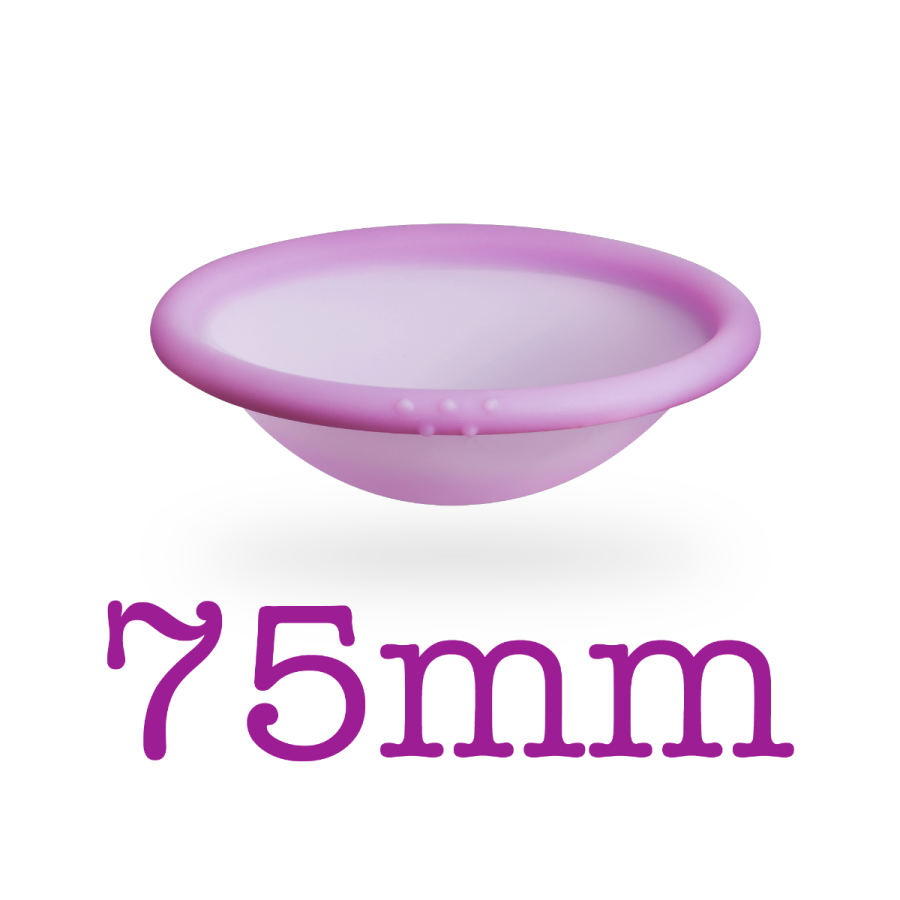
Singa 75mm - EXP-09-26 + 2yrs
£49.85
In stock
- Buy 2 for £42.45 each and save 15%
-
Reusable for up to two years.
-
To be used with contraceptive gel.
-
7 size options.
With the Singa® diaphragm, women use contraception safely, hormone-free and naturally, without unwanted side effects. Unlike the Caya® diaphragm, the Singa® is traditionally round and available in 7 different sizes - the right size for the user must be determined and adjusted in advance by medical professionals. The Singa® is inserted into the vagina before sexual intercourse. It completely covers the cervix and prevents sperm from entering the uterus. After intercourse, the Singa® diaphragm must remain in the vagina for at least 6 hours.
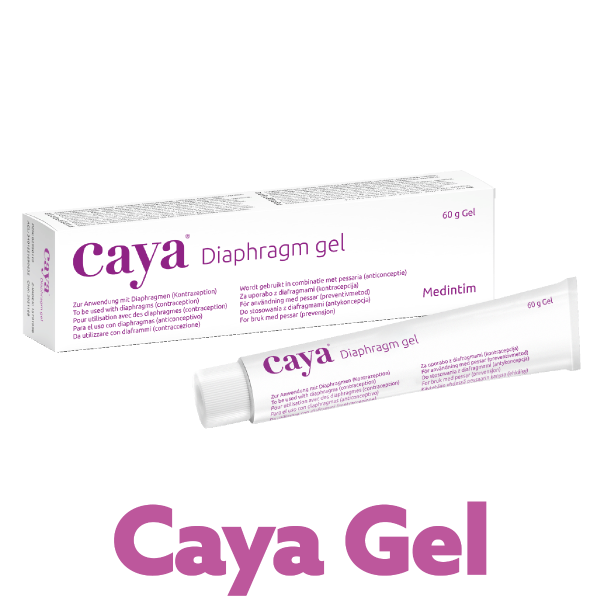
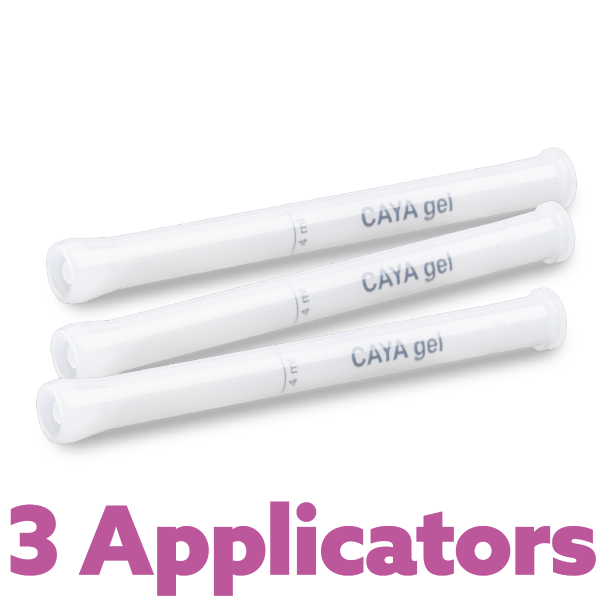
We recommend always using the Singa® diaphragm in combination with the contraceptive Caya® gel.
Women for whom the Caya® diaphragm does not fit or who require a firmer spring tension can use contraception safely and naturally with the Singa® diaphragm.
The answer is not necessarily. A petite woman might have a larger vaginal tract than a woman twice her size or weight. And after childbirth, changes in the body can occur again.
Even after gaining or losing a few kilos, there’s a chance that enough body fat in the lower abdomen, buttocks, and inner thigh area has shifted, potentially increasing or decreasing the pressure on the outer walls of the vagina. This shift of just a few millimeters can alter the optimal size of the diaphragm.
A trained doctor, gynecologist, midwife, or healthcare practitioner will measure you for size. They’ll use a fitting kit with sample-sized diaphragms to find the most effective and secure choice for you. It’s essentially a trial-and-error process. There’s no way to calculate your exact diaphragm size, so they’ll insert one, check if it fits, and then move to the next size up or down accordingly until they find the perfect fit. It’s quite similar to a visit to an optician. It may not sound like cutting-edge medicine, but it’s effective.
After your “fitting session,” they’ll provide you with the correct diaphragm size.
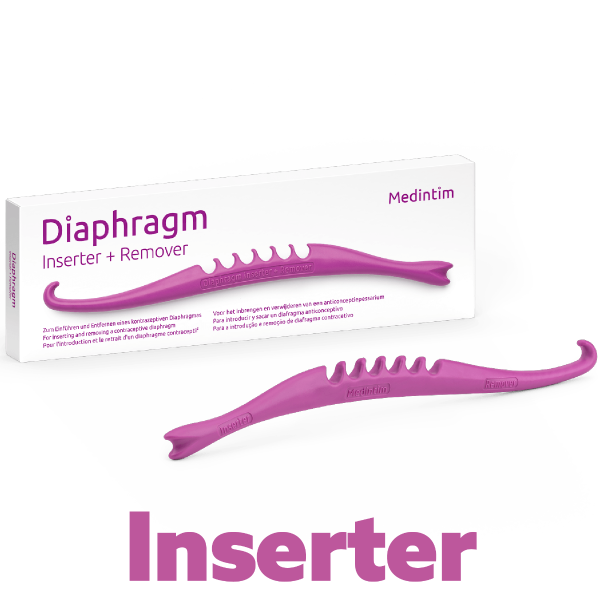
The round diaphragm is folded into a cylindrical shape and inserted into the vaginal canal. It naturally unfolds inside the canal and is then pushed into place to cover the cervix. While the process may seem daunting, with practice, most women find it simple and easy.
During your diaphragm fitting session, the healthcare professional will guide you on the correct insertion and removal of the diaphragm.
This is quite common, especially with the Caya single-size diaphragm. Women who have seen a web page with a single-size description and assumed it’s one-size-fits-all often receive it and realize it’s only suitable for about 80% of women. Since contraception is a high-stakes decision, they seek professional advice.
Usually, it works out well for the 80% who find the Caya suitable. They can consult a professional about their change in contraceptive method, have a quick check for any medical reasons why they shouldn’t use a diaphragm, and receive hands-on coaching, especially on correctly inserting and removing the device.
If you can’t find a healthcare professional for a fitting, your regular GP, midwife, or gynecologist should be able to discuss any change in contraceptive method and confirm if there are any medical reasons why you shouldn’t use a diaphragm. However, they may not be trained or equipped to assess your size.
More healthcare professionals are taking courses to train in diaphragm fitting, but it can still be challenging to connect with someone. Through the website Diaphragms.org, we plan to build a list of trained professionals willing to book you in for a fitting session. Alternatively, there’s FemCap, an interesting option.
Here’s how it works: After puberty, a woman’s cervix size corresponds to a 22mm FemCap. This size remains constant unless she becomes pregnant. Two weeks after conception, the cervix undergoes irreversible dilation. This is crucial to understand because even if a woman miscarries early in pregnancy and is unaware of her conception, her cervix size has changed, necessitating a 26mm FemCap. Imagine a deflated balloon; it never shrinks back to its original size.
Vaginal delivery further alters the cervix’s size, requiring a 30mm FemCap for those who have had a vaginal delivery. In contrast, a C-section delivery doesn’t stretch the cervix as much as a vaginal delivery, so a 26mm FemCap would still be suitable.
This simple sizing system based on your obstetric history makes it easy to self-size cervical caps. However, it’s essential to consult a healthcare professional to determine if diaphragms or cervical caps are the right choice for you.

Starting at £8.85
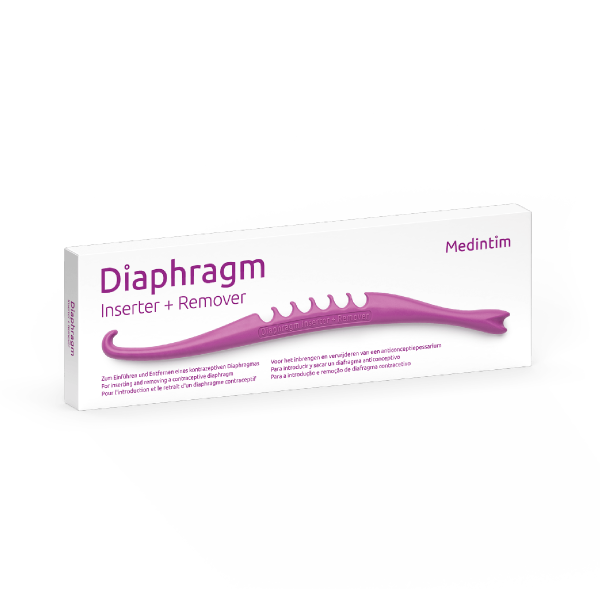
Starting at £9.85